Oil Well Drilling in Oman
Oman continues to be one of the most technically challenging drilling regions in the Middle East. From deep HPHT reservoirs in Fahud and Yibal to complex fractured formations across Marmul and Qarn Alam, oil well drilling in Oman requires utmost precision, highly-accurate down-hole pressure measurements, dependable data and equipment that can endure intense subsurface conditions. As operators push deeper into unconventional reservoirs and adopt advanced techniques such as underbalanced drilling, MPD and enhanced thermal recovery, the need for a high-accuracy downhole pressure sensor in Oman has become greater than ever.
Understanding the Drilling Environment in Oman
Oman’s subsurface landscape varies sharply from field to field. Most deep reservoirs present operators with conditions such as:
- HPHT zones exceeding 180–204°C
- Highly fractured carbonate formations
- Heavy oil reservoirs requiring thermal recovery
- Tight gas reservoirs where pressure control is extremely sensitive
These geological complexities mean drilling efficiency and safety depend directly on accurate real-time downhole pressure and temperature data.
Oman also relies heavily on modern drilling practices including steam-assisted gravity drainage, underbalanced drilling and managed pressure drilling – all of which demand precise, continuous measurement.
Key Challenges Faced During Oil Well Drilling in Oman
1. Extreme Temperatures
Many deep wells record temperatures above 180°C, which push electronics, cables and seals to their operational limits.
2. Rapid Pressure Fluctuations
Sudden pressure spikes are common in carbonate reservoirs. Without real-time data, risks of kicks or well control incidents increase.
3. Corrosive Downhole Fluids
High-salinity brines, H₂S and CO₂ make corrosion a major concern. Only materials such as Inconel 718 survive long-term exposure.
4. Lost Circulation Zones
Fractured intervals frequently cause severe mud losses. Stable pressure data is essential to counteract these events.
5. Harsh Mechanical Loads
Downhole tools face constant vibration, shock, stick-slip and mechanical fatigue. Downhole sensors must be built to endure these stress conditions.
In environments like these, high-accuracy, thermally stable and a fatigue-tested downhole pressure transducer in Oman are not optional – they are integral.
Why Downhole Sensors Are Vital in Oman’s Complex Wells
Downhole sensors deliver the real-time clarity required to drill safely and efficiently. They support:
- Early detection of abnormal pressure behaviour
- Prevention of kicks or blowouts
- Improved drilling optimisation
- Accurate mud weight management
- Reliable temperature tracking in HPHT zones
- Enhanced well control
- Support for MPD and UBD operations
- Better reservoir evaluation
Oman’s subsurface challenges make reliability more important than cost – devices must survive the environment before they can deliver value.
Types of Wells in Oman and Why They Need Highly Accurate Sensors
Different fields demand different measurement capabilities:
- Deep HPHT wells – Thermally stable sensors that do not drift are required for deep HPHT wells.
- Fractured carbonate reservoirs – Need fast-response pressure readings to manage rapid fluctuations in fractured carbonate reservoirs.
- Heavy oil wells – Heavy oil wells depend on temperature readings to monitor during thermal stimulation.
- Tight gas reservoirs – Tight gas reservoirs need ultra-precise pressure data for effective pressure build-up and drawdown analysis in real-time.
Each of these environments pushes conventional tools beyond their limits. This is why Oman’s drilling operations increasingly depend on specialised downhole pressure sensors engineered for extreme durability.
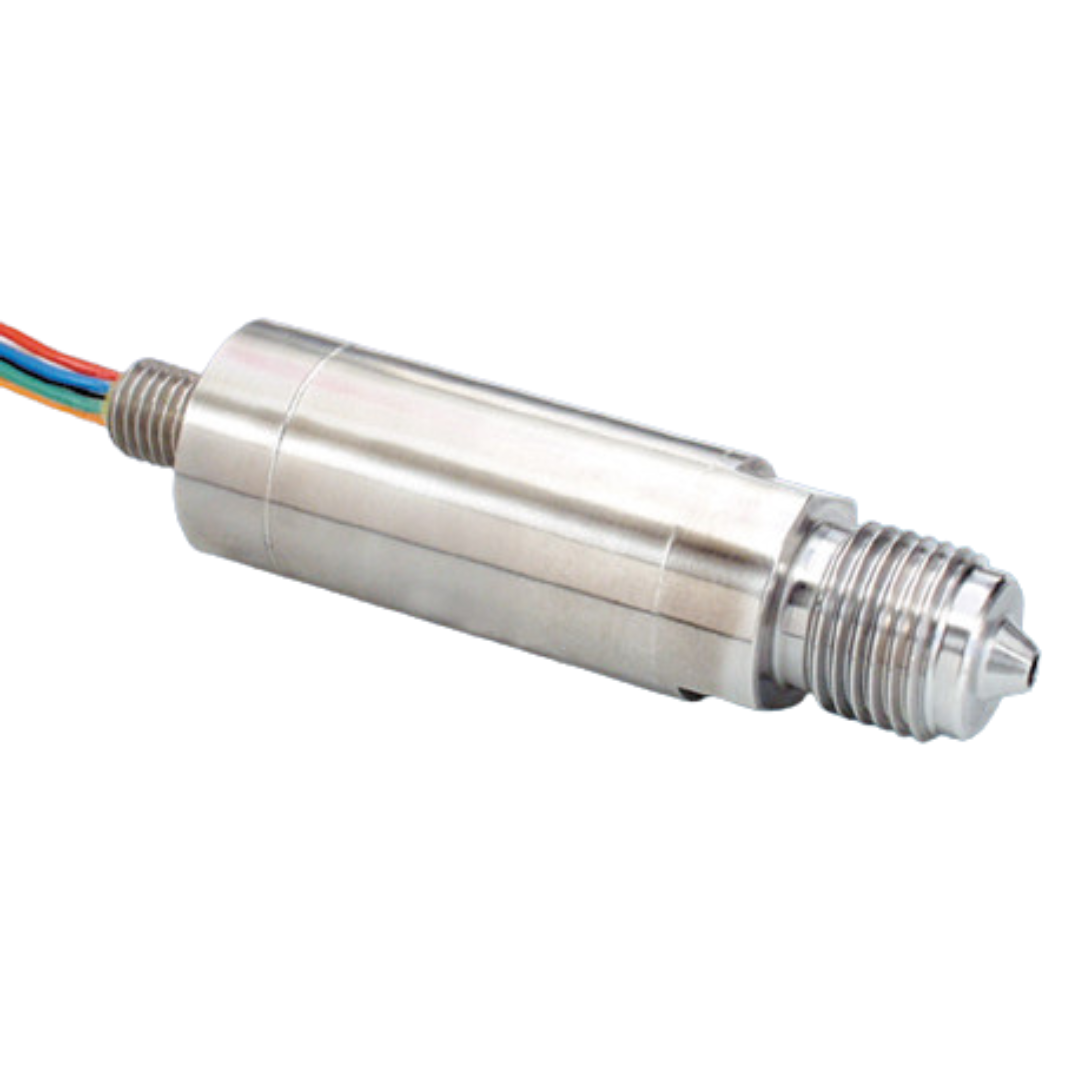
TK – U5 90: A Downhole Pressure Sensor Engineered for Oman’s Harsh Wells
The TK – U5 90 is specifically designed to deliver stable performance under the severe conditions common in Omani wells. Its fully active four-arm Wheatstone bridge ensures minimal drift even during long exposure to high temperatures.
Technical Specifications:
- Accuracy: ≤ ±0.2% BFSL
- Temperature Range: −40°C to +204°C
- Pressure Range: 5,000 – 30,000 PSI
- Temperature Output: PT1000 RTD
- Material: Inconel 718 (UNS N07718)
- Output: Millivolt signal; polynomial data available
- Testing:
- 2000+ pressure fatigue cycles
- Shock & vibration tested
- Thermal cycling
- Radiation-resistant design
How TK – U5 90 Supports Oman’s Drilling Operations
- Accurate reservoir pressure monitoring
- Reliable temperature tracking in HPHT wells
- Support for MPD and UBD operations
- Pressure build-up/drawdown analysis
- Optimisation of artificial lift systems
- Better reservoir performance tracking
Its compact form enables seamless integration with MWD/LWD tools, memory gauges and permanent monitoring systems.
Conventional Sensors vs HPHT-Ready Downhole Sensors
Parameter | Standard Sensors | HPHT-Ready Sensors |
Temperature endurance | 120–150°C | Up to 204°C |
Drift | High over time | Extremely low |
Material durability | Stainless steel | Inconel 718 |
Mechanical fatigue | Moderate | Tested for extreme vibration & cycling |
This is one of the biggest reasons drilling operators are shifting towards advanced HPHT-grade downhole pressure transducer in Oman.
Why Drilling Operators in Oman Prefer High-Accuracy Downhole Sensors
Companies that offer drilling services look for sensors that offer:
- Low drift over long deployments
- Mechanical resilience
- Thermal stability
- Resistance to corrosion
- Consistent, real-time data output
The TK – U5 90 matches all these criteria, making it a perfect choice for Oman’s toughest deep reservoirs.
Looking for a High-Accuracy Downhole Sensor for Oil Well Drilling in Oman?
If you’re working on oil well drilling and need a downhole pressure sensor in Oman capable of surviving HPHT conditions, severe mechanical vibrations and long-term deployment, our engineering team is ready to assist. Whether you’re handling deep carbonate reservoirs, tight gas wells or thermally stimulated environments, we can help you choose the right configuration for your operational needs.
We at Telektron offer reliable, fatigue-tested and thermally stable solutions designed to perform consistently in harshest well conditions. Share your well specifications and our team will recommend the most suitable downhole pressure sensor for your oil well drilling projects in Oman.
FAQs
1. Why are downhole pressure sensors so important in Oman?
Because many of Oman’s wells operate in HPHT conditions, real-time pressure and temperature data is essential for drilling safety, performance and well control.
2. What makes Oman’s drilling environment unique?
The combination of deep reservoirs, fractured formations, corrosive fluids and rapid pressure changes creates some of the most challenging environments in the region.
3. What pressure range is typically required for Oman wells?
It depends on the field, but most of Oman’s deep reservoirs will require a downhole pressure sensor with a rating of 5,000 to 30,000 PSI.
4. How do HPHT sensors prevent drilling failures?
They detect abnormal pressure signatures early, helping prevent kicks, blowouts and non-productive time.

Drive your business into the future.
Essentials WordPress theme provides a large collection of professional templates for every kind of business.