Oil Well Drilling in UAE
The United Arab Emirates is home to some of the world’s most prolific and technically advanced oilfields, where complex reservoir behaviour and extreme subsurface conditions define daily drilling operations. From deep HPHT formations in Abu Dhabi’s onshore and offshore concessions to carbonate reservoirs spread across fields such as Zakum, Bu Hasa and Upper Zakum, oil well drilling in UAE demands absolute precision, dependable downhole data and equipment engineered to perform in harsh environments.
As operators continue to drill deeper, optimise mature reservoirs and deploy advanced drilling practices such as managed pressure drilling (MPD), underbalanced drilling (UBD) and enhanced recovery techniques, the requirement for a high-accuracy downhole pressure sensor in UAE has become increasingly critical.
Understanding the Drilling Environment in the UAE
The UAE’s subsurface geology is dominated by thick carbonate sequences, high-pressure formations and sour reservoir conditions. Depending on field location and depth, drilling operations routinely encounter:
- HPHT zones approaching or exceeding 180–204°C
- Highly fractured carbonate reservoirs
- Sour environments with elevated H₂S and CO₂ levels
- Heavy oil and mature reservoirs requiring enhanced recovery methods
- Tight formations where pressure margins are extremely narrow
These geological characteristics make drilling performance and safety heavily dependent on accurate, real-time downhole pressure and temperature measurements.
Drilling programs across the UAE increasingly rely on MPD, UBD and advanced monitoring systems – each requiring continuous, stable and highly precise downhole data.
Key Challenges Faced During Oil Well Drilling in UAE
1. Sustained High Temperatures
Deep and extended-reach wells in the UAE frequently operate at temperatures above 180°C, pushing electronic components and sealing systems to their operational limits.
2. Dynamic Pressure Behaviour
Carbonate reservoirs often exhibit sudden pressure changes. Without real-time monitoring, the risk of kicks and well control events increases significantly.
3. Highly Corrosive Fluids
High salinity brines, combined with sour gas components such as H₂S and CO₂, accelerate corrosion. Long-term reliability depends on advanced alloys like Inconel 718.
4. Lost Circulation Zones
Naturally fractured intervals can lead to severe mud losses. Stable pressure data is essential for identifying and managing these zones.
5. Mechanical Stress and Fatigue
Downhole tools are exposed to constant vibration, shock, stick-slip and fatigue during drilling. Sensors must be designed to withstand prolonged mechanical loading.
In such conditions, a thermally stable, fatigue-tested downhole pressure transducer in UAE is not optional – it is fundamental.
Why Downhole Sensors Are Vital in UAE Wells
Downhole sensors provide the clarity required for safe and efficient drilling by enabling:
- Early detection of abnormal pressure trends
- Prevention of kicks and blowouts
- Improved drilling optimisation
- Accurate mud weight and ECD management
- Reliable temperature tracking in HPHT zones
- Enhanced well control
- Support for MPD and UBD operations
- Improved reservoir evaluation
Given the UAE’s reservoir complexity, reliability and survivability consistently outweigh cost considerations.
Types of Wells in the UAE and Their Measurement Needs
- Deep HPHT wells – Require sensors with exceptional thermal stability and minimal drift.
- Fractured carbonate reservoirs – Demand fast-response pressure measurements.
- Heavy oil and mature fields – Depend on precise temperature monitoring during recovery operations.
- Tight formations – Require ultra-accurate pressure data for build-up and drawdown analysis.
These conditions exceed the capabilities of conventional tools, driving the adoption of specialised downhole pressure sensors.
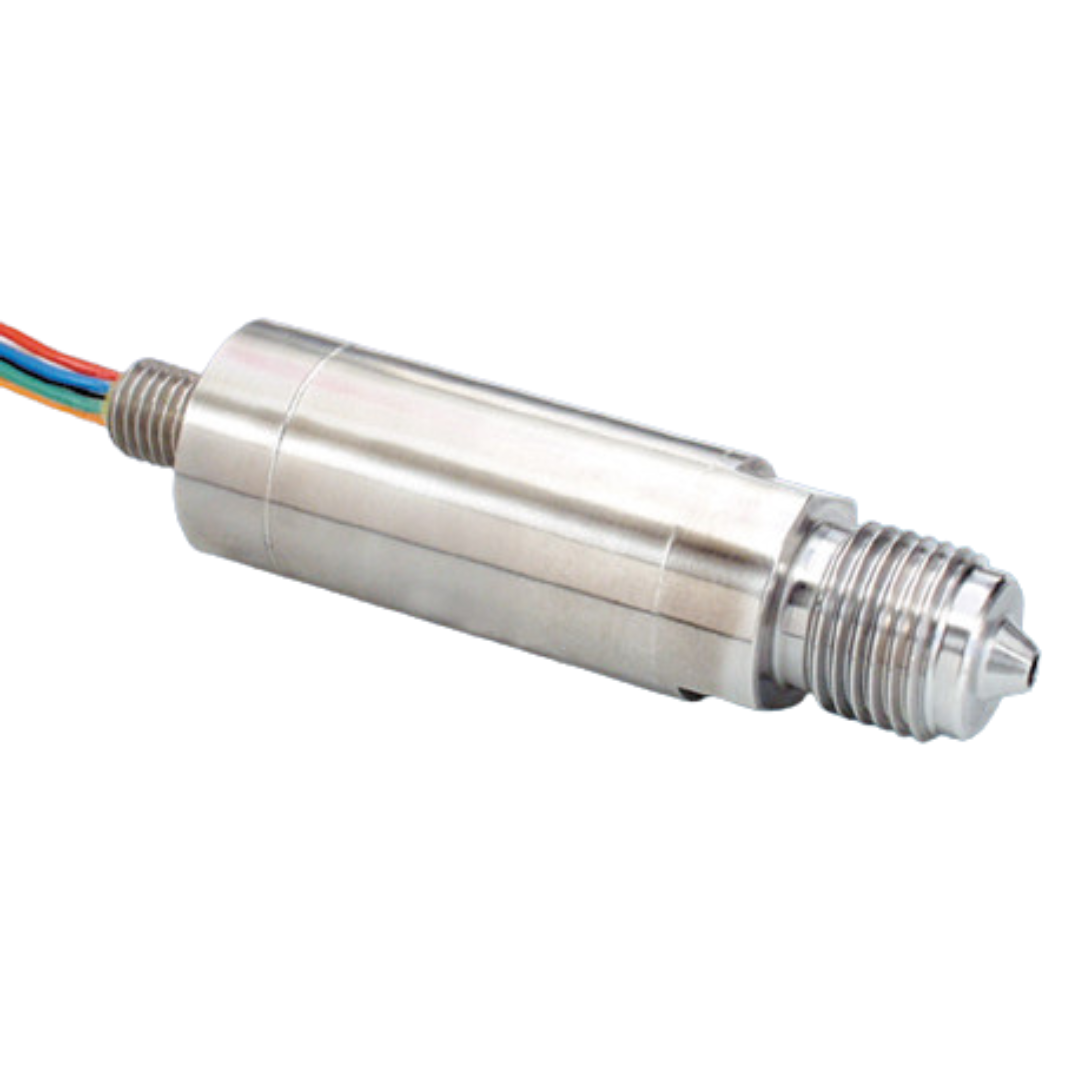
TK – U5 90: A Downhole Pressure Sensor Built for UAE’s Harsh Wells
The TK – U5 90 is engineered to deliver stable performance under the severe HPHT conditions common in UAE oilfields. Its fully active four-arm Wheatstone bridge design ensures minimal drift during long-term exposure to high temperature and pressure.
Technical Specifications:
- Accuracy: ≤ ±0.2% BFSL
- Temperature Range: −40°C to +204°C
- Pressure Range: 5,000 – 30,000 PSI
- Temperature Output: PT1000 RTD
- Material: Inconel 718 (UNS N07718)
- Output: Millivolt signal; polynomial data available
Testing:
- 2000+ pressure fatigue cycles
- Shock & vibration tested
- Thermal cycling
- Radiation-resistant design
How TK – U5 90 Supports Drilling Operations in UAE
- Accurate reservoir pressure monitoring
- Stable temperature tracking in HPHT wells
- MPD and UBD operational support
- Pressure build-up and drawdown analysis
- Artificial lift optimisation
- Long-term reservoir performance tracking
Its compact design allows seamless integration with MWD/LWD tools, memory gauges and permanent monitoring systems.
Conventional Sensors vs HPHT-Ready Downhole Sensors
Parameter | Standard Sensors | HPHT-Ready Sensors |
Temperature endurance | 120–150°C | Up to 204°C |
Drift | High over time | Extremely low |
Material durability | Stainless steel | Inconel 718 |
Mechanical fatigue | Moderate | Tested for extreme vibration & cycling |
This performance gap explains the shift toward an advanced downhole pressure transducer in UAE.
Looking for a High-Accuracy Downhole Sensor for Oil Well Drilling in UAE?
If you are involved in oil well drilling and require a downhole pressure sensor in UAE capable of withstanding HPHT conditions, severe vibration and extended deployment, our engineering team is ready to assist.
At Telektron, we provide fatigue-tested, thermally stable solutions designed to perform reliably in the harshest well environments. Share your well specifications and our team will recommend the most suitable downhole pressure sensor for your drilling operations in the UAE.
FAQs
1. Why are downhole pressure sensors critical for oil well drilling in UAE?
Many UAE wells operate under HPHT and sour conditions, where real-time pressure and temperature data is essential for maintaining well control, optimising drilling performance and ensuring operational safety.
2. What makes the UAE’s drilling environment technically challenging?
The combination of deep carbonate reservoirs, high temperatures, corrosive formation fluids and fractured zones creates a demanding drilling environment that requires highly reliable downhole instrumentation.
3. What pressure range is typically required for wells in the UAE?
Most deep and high-pressure wells in the UAE require downhole pressure sensors rated between 5,000 and 30,000 PSI, depending on reservoir depth and field conditions.
4. How do HPHT-ready sensors improve drilling efficiency in UAE wells?
HPHT sensors maintain accuracy at elevated temperatures, detect abnormal pressure trends early and help reduce non-productive time caused by well control incidents or tool failure.

Drive your business into the future.
Essentials WordPress theme provides a large collection of professional templates for every kind of business.